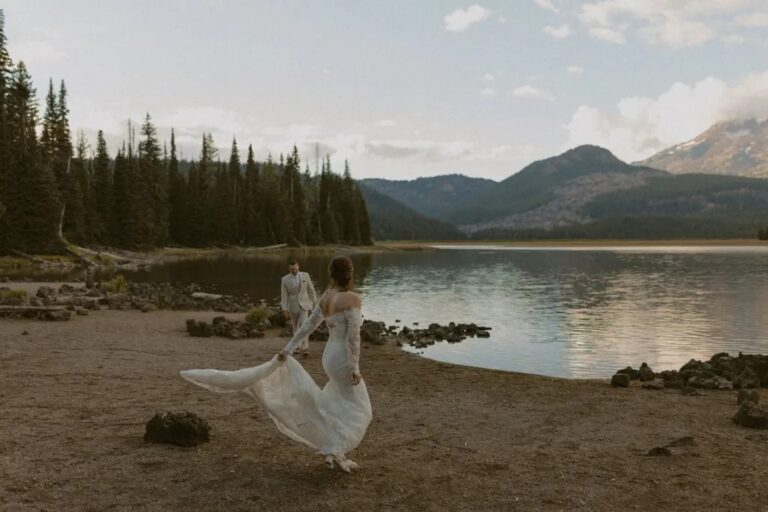
What to Wear to a Photo Shoot Tips and Best Practices
Most people underestimate how much their outfit affects the final result of a photo session. A wrong choice can distract from your face, clash with the background, or steal focus from the whole scene. Always follow official safety and maintenance guidelines for best results.
That is why knowing what to wear to a photo shoot matters so much for the final images. You want clothes that support your look, not ones that fight against it.
Getting dressed for a session is more than just picking something cute or fancy. It involves thinking about colors, patterns, fabrics, comfort, and the story you want to tell. This guide breaks down every layer of the decision so you feel confident walking in. You will learn how to plan your wardrobe. Avoid common outfit mistakes before they happen.
By the end, you will have a clear roadmap for choosing clothes that make you look and feel your absolute best. You will understand how different styles work with various themes, lighting, and camera angles. The right wardrobe choices will take your photos from forgettable to truly striking. Let us walk through every step so you can show up ready to shine.
📌 AT A GLANCE
- ✓Outfit Planning: Choosing clothes ahead of time prevents last-minute stress and bad choices on the day.
- ✓Color Strategy: Solid, muted tones usually create cleaner images than loud patterns or neon shades.
- ✓Comfort Rule: If you feel restricted or awkward, it will show in your posture and facial expression.
- ✓Theme Match: Your clothing should support the mood and purpose of the photo session.
Why What to Wear to a Photo Shoot Matters for Great Results
Your outfit sets the visual tone before the camera even clicks. Bright logos, busy plaids, or wrinkled fabrics pull attention away from your face and expression. In contrast, a well chosen wardrobe guides the eye exactly where you want it to land. That is the real power of planning ahead.
Gather required tools and clear your work area before starting. For complementary picks and expert testing advice, see our guide on What to Wear for Engagement Photo Shoot for Beginners.
Confirm baseline specs and maker guidelines first.
Complete each stage in order without skipping safety checks.
Run a quick test pass and wipe down key parts after use.
Different sessions demand different visual signals. A corporate headshot needs clean lines, while a lifestyle shoot thrives on relaxed textures. When you understand what to wear to a photo shoot, you remove guesswork. Build a wardrobe that works with the camera. The result is a smoother session and images you will love for years.
- Visual Focus Control: Simple clothing keeps attention on your face and emotion.
- Theme Alignment: Outfits should match the story the photographer is trying to tell.
- Confidence Boost: Feeling good in your clothes improves your posture and smile.
- Editing Ease: Clean colors give editors more flexibility to adjust lighting and tone.
- Time Saver: A planned wardrobe cuts down on reshoots caused by outfit problems.
Skipping the planning stage often leads to regret. You may arrive in an outfit that looks great in the mirror but feels wrong under studio lights. A little preparation protects your time and your final images.
How to What to Wear to a Photo Shoot with a Simple Plan
Start by reviewing the purpose of the session. Ask yourself who will see the photos and what feeling they should create. This focus helps you narrow down your clothing choices fast. A clear goal turns a full closet into a short list of winners.
Lay out every outfit option the night before the shoot. Photograph each one under similar lighting. This quick review helps you compare silhouettes. Spot any wrinkles or awkward fits before you leave.
Next, think about the setting and lighting. Indoor studios often favor richer tones, while outdoor shoots suit softer natural shades. When you plan what to wear to a photo shoot around the space, your clothes enhance the scene instead of competing with it. Always bring one backup option so you stay flexible.
- Session Purpose: Define whether the images are personal, pro, or promotional.
- Location Check: Note the background colors and lighting style before you choose.
- Wardrobe Shortlist: Pick three to five outfits that fit the brief.
- Fabric Test: Check how materials drape and move in natural light.
- Backup Outfit: Pack one extra set in case of spills or mood shifts.
This simple plan keeps you grounded and confident on the day. You will spend less time second guessing and more time creating beautiful images.
Solid Colors and Patterns: What Works Best
Solid colors remain the safest choice for most photo sessions. They create smooth blocks of tone that flatter the face and body. However, the right pattern can add energy and personality when used with care. Knowing the balance between the two makes the decision easier.
Bold patterns and bright prints can work, but they need a clear purpose. A small geometric print might suit a creative brand shoot. A loud floral could overpower a portrait. When you decide what to wear to a photo shoot, think about how patterns will crop and scale in the frame. Keep reading for a clear breakdown of options.
- Soft Solids: Neutrals like cream, slate, and taupe blend smoothly with most backgrounds.
- Rich Solids: Deep blues, forest greens, and burgundies add depth without distraction.
- Subtle Patterns: Fine stripes or small checks add interest while staying refined.
- Bold Prints: Use large prints only if they support the creative theme clearly.
- Mixed Patterns: Combine prints only if they share a common color tone.
When in doubt, choose one statement piece and keep the rest simple. This approach gives your photos a polished, intentional look. It also protects you from visual clutter that dates quickly.
Best Fabrics and Fit Choices for Photo Sessions
Fabric and fit affect how light moves across your body in front of the lens. Thin, clingy materials can reveal every line and fold under harsh lighting. Heavier, structured fabrics tend to hold their shape and create cleaner shadows. The right mix helps your clothes look intentional rather than accidental.
Fit is a personal matter, but a few rules apply to nearly every body type. Clothes that are too tight restrict movement and expression. Very loose pieces can swallow your shape.
When choosing what to wear to a photo shoot, aim for a balanced fit that skims your frame without squeezing. Add a belt or tailored seam to define your silhouette if needed.
- Cotton Blends: Breathable and soft, they work well for casual and lifestyle shoots.
- Wool and Tweed: Structured textures add polish for pro and editorial looks.
- Silk and Satin: Smooth sheen catches light beautifully but needs careful styling to avoid glare.
- Knitwear: Ribbed or fine knits give a relaxed yet tidy appearance in portraits.
- Denim and Chambray: Durable and approachable, perfect for informal brand imagery.
Always test your chosen outfit by sitting, standing, and raising your arms. You want freedom of motion without fabric bunching or gapping. A easy outfit translates directly into relaxed, natural photos.
What to Wear to a Photo Shoot for Different Themes
Every photo theme asks for a slightly different clothing approach. A corporate session expects polish, while a creative portrait might welcome bold styling. When you align your wardrobe with the theme, your images feel cohesive and purposeful. This alignment also helps the photographer direct you more well.
Start by asking what story the images need to tell. A wellness brand may want soft layers and calming tones. A tech company may prefer sharp lines and cool colors. Understanding what to wear to a photo shoot in this way removes much of the confusion. You can now match each layer to a clear visual goal.
- Corporate Headshot: Choose blazers, button downs, and simple necklines in muted colors.
- Lifestyle Branding: Use relaxed layers like cardigans, chinos, and soft knits.
- Creative Portrait: Experiment with texture, vintage pieces, or one bold accessory.
- Family Session: Coordinate outfits in a shared palette without matching exactly.
- Outdoor Adventure: Pick durable layers that suit the space and movement.
Sticking to a clear theme keeps your images from looking scattered or out of place. You will also enjoy a smoother flow as the session moves from setup to final shots.
Accessorizing and Details That Elevate Your Look
Accessories can refine an ordinary outfit into a memorable image. A watch, scarf, or simple necklace draws the eye without overwhelming the frame. However, too many accessories create noise and visual clutter. Treat them as finishing touches rather than main features.
When planning what to wear to a photo shoot, consider how accessories interact with your surroundings. Large earrings might frame your face perfectly, but chunky rings can catch unwanted reflections. Keep the pieces that support your features and remove anything that pulls focus. Small, intentional choices usually win in the final edit.
- Earrings: Small studs or drop earrings add elegance without dominating the frame.
- Necklaces: A delicate chain complements open necklines and draws attention upward.
- Scarves: Soft fabrics introduce color and texture without heavy styling.
- Watches: A simple watch suggests confidence and attention to detail.
- Belts: A well placed belt defines your waist and sharpens your silhouette.
Before the session, lay out your accessories. Remove anything that jingles, shines too brightly, or feels distracting. Clean lines and quiet details almost always photograph better. Your final images will look polished and easy.
Common Outfit Mistakes to Avoid
Even thoughtful people make avoidable clothing mistakes before a session. These errors often come from rushing, overthinking, or copying trends that do not fit the context. Recognizing these pitfalls saves you from regret on the day. Awareness is the first step toward smarter choices. For complementary picks and expert testing advice, see our guide on What to Wear to a Family Photo Shoot for Beginners.
Many clients ask what what to wear to a photo shoot means in practical terms. The answer usually comes down to avoiding distractions. Tight collars, loud logos, and brand new shoes often create visible discomfort. The goal is to feel so natural that the camera captures you at ease. Review your choices against this simple test.
- Busy Logos: Brand names pull focus and often date the image quickly.
- Tight Collars: Restrictive necklines limit movement and can strain your posture.
- Brand New Shoes: Unbroken footwear can cause blisters and an uneasy stance.
- Overly Trendy Pieces: Bold fashion statements may lose appeal within months.
- Clashing Colors: Busy color combos can confuse the eye under studio lighting.
Run every outfit through a quick mental checklist before you leave. If any piece feels risky, ask whether it supports the main focus of the image. When doubt appears, choose the safer option and save the experiment for another day.
What to Wear to a Photo Shoot for Different Body Types
Clothing should celebrate your shape, not disguise it. Different cuts highlight different strengths, from strong shoulders to a defined waist. The key is choosing pieces that make you feel strong and natural. Confidence always reads better than any specific style.
When deciding what to wear to a photo shoot, focus on balance and proportion. A taller person may avoid overly long lines. A shorter person may embrace vertical details. These are gentle guides, not strict rules, and personal comfort always comes first. Play with proportions until the outfit feels like yours.
- Hourglass Shape: Fitted waists and balanced helines highlight natural curves.
- Rectangular Shape: Layering and belts create the illusion of defined curves.
- Broad Shoulders: Necklines that dip slightly balance the upper body.
- Petite Frame: Cropped layers and clean lines elongate the body visually.
- Athletic Build: Soft textures and subtle curves add warmth and dimension.
Try different mixes in front of a full length mirror before the session. Move naturally and notice where the clothes feel empowering versus awkward. The right fit will make you forget you are even wearing them.
Seasonal and Lighting Considerations for Outfit Choices
Season and lighting shape how colors and fabrics appear on camera. Heavy winter clothes can look bulky under bright lights. Summer fabrics may seem too light for formal sessions. Matching your wardrobe to the time of year and studio setup improves the overall harmony. Small adjustments create a big visual difference.
When you plan what to wear to a photo shoot around lighting, think about warm versus cool tones. Golden hour outdoors warms up most colors, while cool studio lights can flatten pastels. Choose shades that respond well to the specific light source you will use. This simple step prevents flat or overly harsh results.
- Warm Light: Rich earth tones and soft reds glow naturally in golden settings.
- Cool Light: Blues, grays, and muted purples stay balanced under studio LEDs.
- Outdoor Sun: Breathable layers prevent overheating while keeping the look tidy.
- Indoor Soft Light: Smooth fabrics reflect gentle highlights without harsh glare.
- Mixed Lighting: Stick to neutrals to avoid unexpected color shifts between sources.
Test your chosen colors under similar lighting conditions before the actual session. A quick phone snapshot can reveal surprises you might miss in your dressing room. Adjust early so the final shoot runs smoothly.
Best Practices and Don’ts for Photo Shoot Outfits
Successful sessions rely on clear habits that support the photographer and subject alike. A few steady rules help you look polished without over styling. Treat these best practices as your personal checklist before every session. They keep your choices grounded and strong.
Avoid brand new outfits that have never been worn. Stiff seams, unfamiliar fits, and tag edges can cause discomfort and distraction during the session.
Following these guidelines for what to wear to a photo shoot reduces stress. Improves steadiness across multiple shoots. You build a steady system that works for headshots, portraits, and lifestyle work. Over time, these habits become second nature. The result is a faster decision process and better images overall.
- Plan Early: Choose outfits at least one day before the session.
- Iron or Steam: Wrinkle free fabrics look more pro on camera.
- Bring Extras: Pack a backup top, shoes, and simple accessories.
- Test Colors: Check how your palette looks in natural daylight.
- Stay Comfortable: Focus on movement and breathing room over strict style rules.
- Don’t Rush: Last minute choices often lead to visible discomfort or regret.
- Avoid Overaccessorizing: Too many pieces compete for attention in the frame.
- Skip Strong Fragrances: Heavy perfumes can distract during close up shoots.
- Don’t Match Exactly: Coordinated colors look better than identical outfits in groups.
- Avoid Last Minute Changes: Stick to your plan once you have tested it.
These dos and don’ts keep your wardrobe aligned with the goals of the session. When you follow a clear structure, you eliminate most common outfit regrets. You can then focus fully on expression and connection with the camera.
Outfit Coordination for Group Photo Sessions
Group sessions add another layer of complexity to wardrobe planning. Each person needs to feel single yet connected to the whole. A shared color palette usually works better than exact matching. This balance creates harmony without looking overly uniform.
- Base Palette: Choose two to three core colors for the group to share.
- Personal Accent: Let each person add one unique accessory or detail.
- Pattern Mixing: Use patterns sparingly and keep them within the shared palette.
- Layering: Add scarves or jackets to break up identical colors slightly.
- Position Check: Consider how outfits read from the front and back rows.
Coordinating outfits ahead of time prevents chaos and keeps the group looking polished. You also avoid the awkward moment of realizing two people wear the same shirt. A little planning goes a long way toward group photo success.
Quick Outfit Prep Checklist Before Leaving Home
A short checklist keeps your morning routine focused and calm. It also reduces the risk of forgetting a critical piece. Run through this list before you lock the door and head out. It takes only a few minutes but saves potential stress later. For complementary picks and expert testing advice, see our guide on What Kind of Shirt to Wear for Passport Photo.
- Iron Check: Confirm every piece is smooth and wrinkle free.
- Fit Test: Try the full outfit on and move naturally.
- Color Review: Compare clothing against your planned background color.
- Accessory Scan: Remove anything that jingles, scratches, or distracts.
- Shoe Check: Make sure footwear is clean and easy for standing.
This checklist reinforces your earlier planning. Protects your confidence on the way to the shoot. You arrive prepared instead of scrambling to fix small problems. That calm energy shows in your final photos.
| Stage / Task | Key Action to Take | Recommended Frequency | Priority |
|---|---|---|---|
| Initial Setup & Prep | Clear workspace, inspect parts, and check baseline settings | Before Each Session | Easy |
| Surface & Filter Care | Wipe exterior surfaces and rinse or tap out dust traps | Weekly | Easy |
| Deep Part Inspection | Check seals, moving joints, and air paths for wear | Monthly | Moderate |
| Full Consumable Check | Replace worn belts, filters, or seals to keep peak power | Every 6 Months | High |
Frequently Asked Questions
What Colors Work Best for a Portrait Photo Shoot?
Soft solids and muted tones usually perform best in portraits. Colors like navy, gray, cream, and olive create a clean background for your face. Bright white can sometimes blow out under strong lights, so test it carefully. Avoid loud neons and large logos that distract from expression.
Should I Wear Something Brand New for My Photo Session?
It is better to choose clothes you have already worn and feel easy in. New fabrics can feel stiff, restrict movement, and create unfamiliar silhouettes. If you must wear something new, try it on multiple times before the session. This preparation prevents surprises and helps you relax in front of the camera.
Can I Wear Patterns If the Background Is Busy?
Patterns can work with busy backgrounds, but you must balance the scale. A small subtle print often blends better than a large bold design. Make sure your pattern does not visually clash with the space behind you. When in doubt, choose a solid and let the background do the visual work.
How Early Should I Decide What to Wear to a Photo Shoot?
Decide at least one full day before the session. This buffer gives you time to wash, iron, or swap pieces if needed. It also prevents rushing in the morning and making choices under pressure. Lay everything out the night before so the morning stays calm and focused.
Are Jeans Acceptable for a Professional Photo Shoot?
Jeans can work for many pro sessions if the fit and styling are right. Dark wash denim with a clean shirt often looks polished and approachable. However, very casual rips, fading, or graphic tees may not suit formal branding. Check the session brief and adjust your denim choices accordingly.
How Do I Coordinate Outfits for a Family Photo Session?
Pick a color palette with two to three shades that everyone can share. Each person can wear a different piece within that palette, such as a shirt, sweater, or jacket. Avoid matching exactly, which can look stiff and uncomfortable. Coordinated clothing creates a warm, connected feel without forcing uniformity.
Final Thoughts and Next Steps
Choosing the right outfit for a photo session is a mix of planning, self awareness, and creative instinct. You now know how colors, fabrics, and fit influence the final image in strong ways.
You also have a clear set of tools to avoid common mistakes and highlight your best features. These lessons apply whether your session is formal, casual, or somewhere in between.
Put these ideas into practice before your next shoot by testing outfits under similar lighting conditions. Ask a trusted friend or stylist to review your choices and call out distractions. Keep building a wardrobe of steady pieces that photograph beautifully across many themes. Over time, your choices will feel auto and instinctive.
The right clothing helps you show up with confidence. Let the camera capture your true expression. When you understand what to wear to a photo shoot, you remove one of the biggest sources of session stress.
Step forward with your plan, trust your preparation. Enjoy the process of creating strong images. Your next great photo series starts with the choices you make before you even arrive.