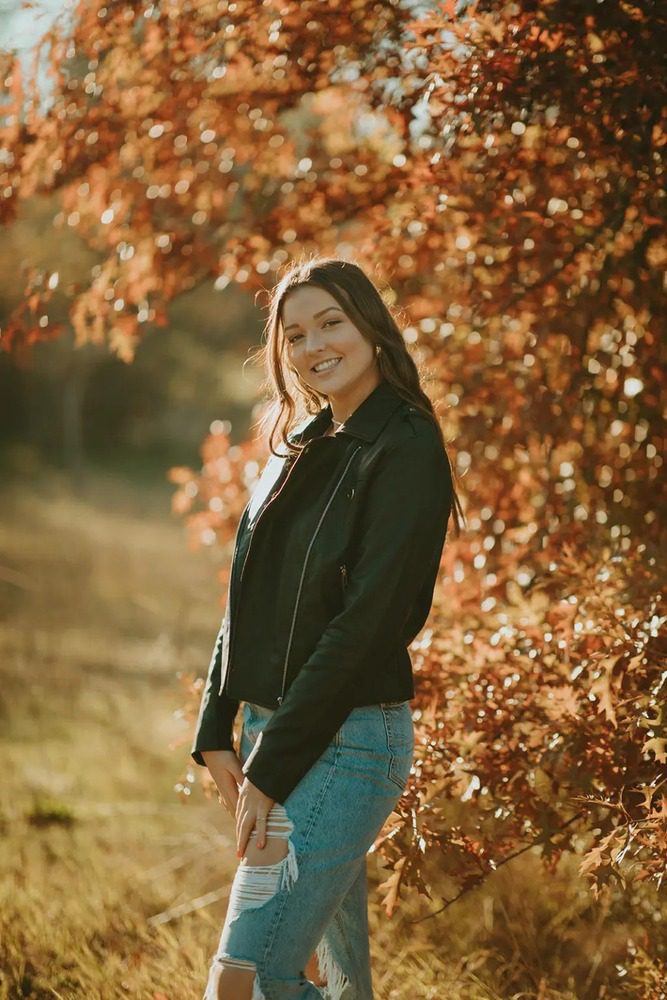
What Is a Portrait Photo Tips and Best Practices
Most people snap headshots and call them portraits. But that shortcut often leads to flat, forgettable images. A true portrait captures personality, mood. Story in a single frame, something that casual shots rarely achieve. Always follow official safety and maintenance guidelines for best results.
Understanding what is a portrait photo helps you create images that resonate far beyond a simple snapshot. Getting this right saves you hours of reshoots. Gives photos that clients and loved ones actually cherish.
When you grasp the core idea behind portraiture, you unlock a creative skill that works in every setting. This guide walks you through the key principles, gear, techniques. Common pitfalls so you can build real confidence.
You will learn how to plan a shoot, position your subject, light the scene, and edit with purpose. By the end, you will know exactly how to craft portraits that feel alive and authentic.
📌 AT A GLANCE
- ✓Core Concept: A portrait photo centers on a person’s expression, personality, and mood rather than just their appearance.
- ✓Essential Step: Plan every shoot with clear intent, lighting, and background choices before touching the camera.
- ✓Safety Rule: Always secure your gear and check shooting locations for hazards to protect subjects and equipment.
- ✓Efficiency Tip: Build a repeatable workflow for setup, shooting, and editing so each session runs smoothly.
Why What Is a Portrait Photo Matters for Every Creator
Portraiture sits at the heart of photography. This happens because people are the most compelling subject in any frame. Whether you shoot for family memories, headshots, or editorial work, the ability to capture someone’s essence sets your work apart.
Knowing what is a portrait photo gives you a clear creative target to aim for every time you pick up a camera. Without that clarity, even technically perfect images can feel empty and lifeless. For complementary picks and expert testing advice, see our guide on What to Wear for Passport Photo Woman for Beginners.
Gather required tools and clear your work area before starting.
Confirm baseline specs and maker guidelines first.
Complete each stage in order without skipping safety checks.
Run a quick test pass and wipe down key parts after use.
Understanding portraiture also sharpens your overall photography instincts. You learn to read light, direct subjects. Compose frames with intention, skills that transfer to every genre.
This foundation protects you from costly reshoots and disappointed clients. It also builds your portfolio faster because cohesive, personality-driven portraits attract more opportunities.
- Personality Over Perfection: A genuine smile. Relaxed posture matter more than flawless skin or a perfect background.
- Intent Drives Every Choice: Knowing the purpose of the portrait guides your lighting, pose. Editing decisions from the start.
- Light Shapes Emotion: Soft light creates warmth and calm. Hard light adds drama and intensity to a portrait.
- Connection Elevates Results: Building rapport with your subject brings out natural expressions that no posing cheat sheet can replicate.
- Editing Supports Story: Color grading. Retouching should enhance the mood you captured in-camera, not mask a weak foundation.
The Core Elements That Define What Is a Portrait Photo
A portrait photo is defined by its focus on a person or group. The face, expression, and mood take center stage. The background, lighting, and composition all serve the subject rather than compete for attention.
Always send your subject a mood board or example portrait at least 48 hours before the shoot. This sets expectations, reduces on-the-spot decisions. Helps people feel confident and easy when they arrive.
- When You Ask What: When you ask what is a portrait photo in practical terms, the answer always points back to human connection and storytelling.
- These Core Elements: These core elements work together whether you use a DSLR, mirrorless camera, or even a modern smartphone.
Every strong portrait rests on a foundation of clear subject, intentional framing, and controlled light. You do not need expensive gear to start, but you do need a plan.
Learning these fundamentals early prevents you from developing bad habits that are hard to unlearn later. The table below breaks down the core elements and their roles in a successful portrait.
| Core Element | Role in Portrait | Beginner Priority |
|---|---|---|
| Subject Focus | Draws the viewer’s eye to the face and expression | High |
| Lighting Direction | Shapes mood, depth, and skin tone | High |
| Background Choice | Supports or distracts from the subject | Medium |
| Camera Distance | Controls framing and perspective | Medium |
| Expression Direction | Tells the story and connects with viewers | High |
How to Plan a Portrait Shoot That Actually Works
Planning a portrait shoot means defining the purpose, choosing a location. Preparing your subject before you ever press the shutter. A clear plan reduces wasted time and lets you focus on creativity during the session.
When you ask what is a portrait photo from a workflow perspective, the answer starts long before the camera comes out. You need to know who you are shooting, why. What feeling you want to give.
Good planning also covers practical details like wardrobe, timing, and backup gear. Rushing into a shoot without these basics leads to frustration and flat results. Instead, build a simple checklist that keeps every session organized and productive. Your future self will thank you when everything runs smoothly from start to finish.
- Shoot Purpose: Define whether the portrait serves a personal, business, or editorial need so every choice supports that goal.
- Location Scouting: Visit the site ahead of time to check light, backgrounds. Access for your subject and gear.
- Wardrobe Guidance: Advise subjects on colors. Styles that complement the setting and avoid visual distractions.
- Time Management: Schedule golden hour or studio slots in advance. Allow buffer time for setup and mood adjustments.
- Gear Backup: Pack extra batteries, memory cards. A prime lens so a failure never kills the session.
Essential Gear for What Is a Portrait Photo Mastery
Your gear choices directly shape the quality. Style of your portraits, even though technique in the end matters most. A steady camera, a sharp lens. A portable light source form the core toolkit for almost any portrait situation.
When exploring what is a portrait photo from an equipment angle, remember that the best tool is the one you know how to use well. You do not need a full studio to start creating compelling work.
However, upgrading at the right moments does open new creative doors. A fast prime lens gives you beautiful background blur and sharper subject detail. External lights let you shoot confidently in dim spaces or control harsh sunlight. As your skills grow, your gear list should grow with it in a deliberate way.
- Fast Prime Lens: A 50mm or 85mm f/1.8 or wider lens separates your subject from the background with smooth blur.
- Camera Body: Any modern camera with steady autofocus. Solid high-ISO power handles portrait work well.
- Portable Light: A small LED panel or reflector helps you shape light outdoors or in mixed indoor lighting.
- Light Stand: A compact stand keeps your light steady. Frees your hands to direct subjects.
- Reflector Disc: A collapsible reflector bounces soft fill light onto faces. Reduces harsh shadows under eyes and noses.
Lighting Techniques That Bring Portraits to Life
Light is the single biggest factor that separates forgettable portraits from striking ones. You can achieve beautiful results with natural window light, golden hour sun, or a simple on-camera flash used carefully.
Understanding what is a portrait photo in terms of lighting means learning how direction, softness, and intensity shape mood. Soft, angled light flatters most faces, while flat front light tends to look lifeless.
Start by observing where light falls naturally and how it wraps around your subject’s features. Then position them so the main light hits at roughly 45 degrees to the face for depth and shape.
Fill the shadow side gently with a reflector or lower-intensity light to keep details visible. This simple approach works indoors. Out and gives you a steady starting point for every portrait.
- Window Light: Place your subject beside a large window. Use the opposite wall to bounce soft fill light.
- Golden Hour Glow: Shoot outdoors roughly an hour before sunset for warm, directional light that flatters skin.
- Open Shade: Move subjects under a porch or tree edge to avoid harsh midday sun while keeping even illumination.
- Hard Light Drama: Use a small, focused light source from the side to add strong shadows and bold mood.
- Backlight Rim: Position a light behind the subject to outline hair. Shoulders, separating them from the background.
Posing and Directing Subjects with Confidence
Many people freeze up in front of a camera. So your job as a portrait photographer is to guide them into relaxed, natural positions. Good direction starts with clear, simple instructions rather than vague requests like “look pretty.” When you understand what is a portrait photo from a directing angle, you realize that small adjustments in chin angle, shoulder tilt.
Hand placement make a huge difference. Movement also helps, so encourage gentle shifts between poses instead of rigid holding.
Building comfort matters more than perfect technique. Chat with your subject, offer genuine praise. Give them something to focus on besides the lens. You will see tension melt and authentic expressions appear. Over time, you will develop a personal shorthand that works always across different people and settings.
- Chin Angle: Ask subjects to drop their chin slightly forward to avoid a double chin and strengthen jawline definition.
- Shoulder Tilt: Turn one shoulder slightly toward the camera to add dimension and avoid stiff, flat posture.
- Hand Placement: Rest hands lightly on a hip or let them fall naturally rather than letting them dangle awkwardly.
- Eye Contact: Direct subjects to look just beside the lens for a candid feel, or straight into the camera for strong connection.
- Movement Cues: Tell subjects to turn slowly, sway, or walk a few steps to capture dynamic, lively poses.
Composition Rules for What Is a Portrait Photo Framing
Composition determines how viewers move through your portrait and what they notice first. Strong framing keeps the subject prominent. Meanwhile, using background elements to support the story rather than distract from it.
When you explore what is a portrait photo from a composition standpoint, you are really answering how close. To place the subject, and what to leave out. The rule of thirds, leading lines, and negative space all play a role here. For complementary picks and expert testing advice, see our guide on What Is Spatial Photo Tips and Best Practices.
Start by placing your subject off-center for more engaging images, unless a formal, centered look is your goal. Keep backgrounds clean and avoid visual clutter that pulls attention away from the face.
Also pay attention to the edges of the frame so no random objects or body parts get awkwardly cropped. These habits quickly lift your portraits above casual snapshots. Give them a polished, intentional feel.
- Rule of Thirds: Position the subject’s eyes along the top third line for balanced, natural framing.
- Negative Space: Leave open area in the direction of the subject’s gaze to create breathing room and mood.
- Leading Lines: Use paths, walls, or architectural edges to guide the viewer’s eye straight to the subject.
- Tight Crop: Frame close around the face for emotional impact, most in headshot style portraits.
- Environmental Context: Show more surroundings when the setting tells an key part of the subject’s story.
Editing Workflow for Polished Portrait Results
Editing is where your captured image becomes a finished piece. But it should enhance reality rather than invent it. A clean, steady workflow helps you process portraits faster while keeping quality high.
When you think about what is a portrait photo in post-production, you are really asking how to protect skin tones, sharpen eyes. Support mood with color. Every adjustment should serve the subject and the story you planned during the shoot.
Start with global corrections like exposure, white balance, and contrast to set the overall tone. Then move to local refinements on the face, eyes, and background.
Finally, apply your color grade or preset for steadiness across a series. This step-by-step approach prevents over-processing and keeps every portrait looking pro without appearing overdone.
- White Balance: Correct color cast first so skin tones look natural before any creative color grading happens.
- Exposure and Contrast: Balance brightness and shadow range so the face has clear detail without blown highlights.
- Eye Sharpening: Selectively sharpen the eyes and lashes. This happens because viewers connect most strongly with that area.
- Skin Retouching: Smooth texture lightly and remove temporary blemishes while keeping natural skin detail intact.
- Color Grading: Apply a subtle color tone across highlights. Shadows to support the portrait’s emotional mood.
Common Portrait Photography Mistakes to Avoid
Even experienced photographers fall into traps that weaken their portraits, but awareness makes prevention easy. The most common issues come from poor planning, rushed setups, and ignoring subject comfort.
When you clarify what is a portrait photo at a practical level, avoiding these mistakes becomes part of your standard routine. Small fixes in approach often matter more than expensive gear upgrades or complex editing tricks.
Take time before each shoot to review your checklist. Mentally walk through the session flow. Watch for signs that your subject is uncomfortable and adjust your communication style right away. Also protect your files with proper backup and storage habits. These steady practices keep your work quality high and your reputation strong over time.
- Distracting Backgrounds: Always check edges for poles, signs, or branches that create visual clutter around the subject.
- Harsh Midday Sun: Avoid overhead sun that creates deep eye shadows and squinting. Seek softer light instead.
- Over-Retouching: Heavy skin smoothing removes texture and makes faces look plastic rather than polished.
- Ignoring Eyes: Soft, sharp eyes with visible catchlights give portraits life. So always check this before final export.
- Frozen Expressions: Keep sessions lively with movement, conversation. Varied prompts so subjects do not go stiff.
Best Practices for Consistent Portrait Photography Success
Steadiness comes from building habits that you repeat across every portrait session. The best photographers combine preparation, communication, and careful review into a steady routine.
Never rely only on your camera’s built-in flash for portraits. It creates flat, harsh light that squints subjects and washes out skin tones. A simple external flash bounced off a ceiling or wall gives you far better results with minimal extra cost.
When you define what is a portrait photo as a disciplined practice, you see that small daily improvements compound into great long-term results. Treat every shoot as a chance to refine your craft rather than just finish a job.
Follow a clear dos and don’ts list to keep your standards high and avoid slipping back into casual habits. Review your images critically right after a shoot so you catch recurring issues early. Over time, these best practices become second nature. Your portraits will always stand out for the right reasons.
- Do Plan Lighting: Always have a lighting plan, even a simple one, before you start shooting.
- Do Build Rapport: Spend the first few minutes chatting to help your subject relax and trust your direction.
- Do Review Live: Check exposure. Focus on your camera screen during the session to catch problems early.
- Don’t Rush Posing: Avoid jumping between poses quickly. Slow down and let each setup settle naturally.
- Don’t Ignore File Safety: Never delete or overwrite files until you have backed them up in at least two locations.
Frequently Asked Questions About What Is a Portrait Photo
Can a Smartphone Really Capture Professional Quality Portraits?
Yes, modern smartphones can capture excellent portraits when you control light, framing, and subject direction. The key is using natural light. It keeps the lens clean, and tapping the screen to lock focus on the face.
External lens tools and editing apps further expand creative options. However, larger sensors still offer better low-light power and background blur. So gear matters as your ambitions grow.
What Is the Best Focal Length for Portraits?
Focal lengths between 50mm and 135mm are widely considered ideal for portraits. This happens because they compress features naturally and reduce distortion. An 85mm lens is most popular. This happens because it offers easy working distance and beautiful background split. For complementary picks and expert testing advice, see our guide on What Is a Headshot Photo Tips and Best Practices.
Wider lenses can stretch faces unflatteringly if you shoot too close. So they require more careful framing. In the end, your skill. Subject comfort matter more than the exact focal length you choose.
How Do You Keep Subjects Relaxed During a Portrait Session?
Start with casual conversation and give clear, simple instructions so subjects know exactly what to do. Offer genuine encouragement and take test shots to show them the result in real time.
Play background music if the setting allows, and take short breaks during longer sessions. These approaches reduce tension and help authentic expressions emerge naturally throughout the shoot.
Do You Need a Studio for Portrait Photography?
A studio offers controlled light and privacy. But it is not required to create strong portraits. Many of the most compelling portraits are shot outdoors, in homes, or on location with natural or portable light.
What matters most is your ability to read light and direct your subject well. A studio simply gives you more control over variables. This can help when you are learning.
How Important Is Post-Processing in Portrait Photography?
Post-processing plays a significant role in polishing portraits. But it should support the image you already captured. Correcting exposure, sharpening eyes, and lightening skin slightly can dramatically improve results without making them look artificial.
Heavy manipulation that changes face shape or removes all texture crosses into unrealistic territory. Aim for a clean, balanced edit that feels true to the moment.
What Makes a Portrait Different From a Regular Photograph?
A regular photograph may simply document a scene or moment. A portrait focuses on expressing a person’s character and emotion. The subject’s face and expression dominate the frame, and every other element supports that focus.
Lighting, composition, and direction all work together to tell a deeper story. Understanding what is a portrait photo means recognizing that intention. Human connection separate it from casual imagery.
Final Thoughts and Next Steps
Mastering portraiture is a journey that rewards patience, curiosity, and steady practice. Every session you complete teaches you something new about light, people. Your own creative style.
When you revisit the idea of what is a portrait photo months from now, you will see how far your understanding has grown. Keep your goals clear, stay open to feedback. Treat every shoot as a chance to improve.
Start by applying one or two lessons from this guide on your very next portrait session, then gradually layer in more techniques. Review your images honestly, compare them to your earlier work. Celebrate small wins along the way.
Over time, your portraits will develop a distinct voice that people notice and trust. The skills you build now will serve you across every photography path you choose to explore.