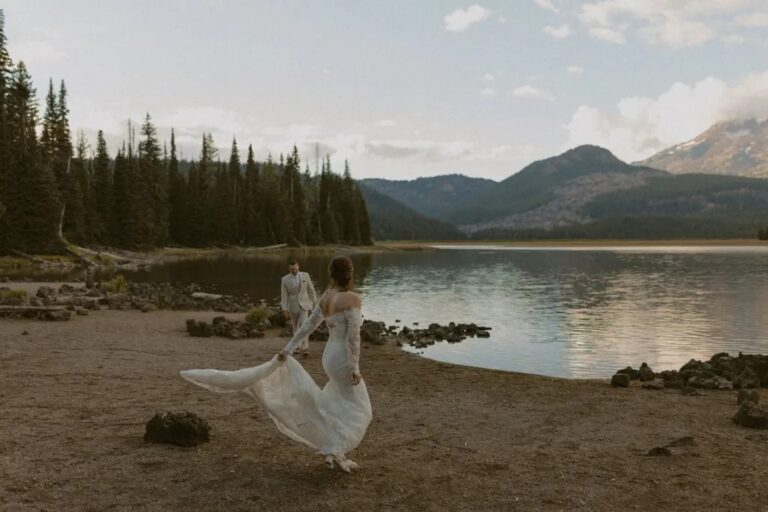
What Is a Candid Photo Tips and Best Practices
You see a stunning portrait and wonder what makes it feel so alive. The secret often lies in a single unposed frame. A true what is a candid photo captures raw emotion without staging or direction.
Many people think candid images happen by pure accident. In fact, skilled photographers create them through careful observation and quick reflexes. Understanding this concept helps you freeze genuine moments that feel real and relatable. Always follow official safety and maintenance guidelines for best results.
So what exactly is a candid photo, and why does it matter so much? A what is a candid photo is an unplanned image taken without the subject’s direct awareness or posing. It reveals authentic expressions, spontaneous interactions, and unscripted stories that staged shots simply cannot match.
This guide walks you through the core principles, practical techniques, and creative strategies you need. You will learn how to spot fleeting moments and capture them with confidence and clarity.
📌 AT A GLANCE
- ✓Core Concept: A candid photo captures unposed, genuine moments without the subject knowing.
- ✓Essential Gear: A fast lens and silent shutter help you shoot discreetly without drawing attention.
- ✓Ethical Rule: Always respect privacy and context, most in sensitive or private spaces.
- ✓Timing Skill: Anticipating emotion and action lets you press the shutter at the perfect instant.
- ✓Editing Touch: Subtle adjustments preserve the natural look and feel of a true candid moment.
Why What Is a Candid Photo Matters in Modern Visual Storytelling
Images shape how people remember events, people, and places. A staged photo can feel stiff and forgettable. A raw, unposed frame tells a deeper, more human story that resonates for years.
Gather required tools and clear your work area before starting. For complementary picks and expert testing advice, see our guide on What to Wear for Passport Photo Tips and Best Practices.
Confirm baseline specs and maker guidelines first.
Complete each stage in order without skipping safety checks.
Run a quick test pass and wipe down key parts after use.
What is a candid photo if not a window into truth? It shows laughter lines, relaxed postures, and unexpected glances. These details build trust and connection between the viewer and the subject.
In journalism, events, and family albums, authenticity wins every time. People trust images that feel real because they mirror their own lived uses. Mastering this style of photography gives your work lasting emotional power.
- Authentic Emotion: Unposed frames reveal genuine smiles, surprise, and quiet reflection that staged poses hide.
- Relatable Connection: Viewers see themselves in real moments, making the image feel personal and memorable.
- Timeless Value: Candid images age well because they avoid trends, costumes, and forced expressions.
- Story Depth: A single unposed frame can convey an entire narrative without words or staging.
- Trust and Credibility: Authentic visuals build stronger bonds with audiences in both personal and pro settings.
Building your skills in this area transforms how you see the world around you. You start noticing small, beautiful details that others often miss entirely.
The Best Way to What Is a Candid Photo Step by Step
Capturing unposed moments is a learnable skill built on observation and preparation. You do not need expensive gear or years of use to start. The right approach helps you freeze real life with confidence and care.
Always shoot with your back to a clean wall or simple background when possible. A cluttered backdrop distracts from the real emotion in the frame. Weakens the impact of your unposed image.
Start by blending into the space and reducing your visible presence. Move quietly, keep your camera ready, and watch for natural interactions. When the moment feels right, capture it quickly and move on.
- Blend Into the Scene: Dress casually, sit down. Act relaxed so subjects forget you are there.
- Pre-Set Your Camera: Use shutter priority or auto ISO to stay ready for fast, unexpected action.
- Watch for Micro-Expressions: Small gestures like a raised eyebrow or a half-smile tell strong stories.
- Shoot from the Hip: Hold the camera at waist level. Frame loosely to stay invisible and spontaneous.
- Follow the Light: Position yourself near windows or open shade to catch soft, natural illumination on faces.
- Burst Mode Practice: Take a short sequence of frames to increase your chances of catching the peak emotion.
Each step builds your ability to react faster and see more. Over time, you will notice the right moments before they fully unfold.
Essential Gear for Capturing Authentic Candid Moments
The right tools make it easier to shoot discreetly and respond quickly. You do not need a huge bag of equipment. A few well-chosen items give you the flexibility to work unnoticed. Capture real life as it happens.
What is a candid photo without the proper setup? Even the best eye for moments fails if your gear slows you down. Choose compact, quiet tools that match the space and the story you want to tell.
- Fast Prime Lens: A 35mm or 50mm lens with a wide aperture lets you shoot in low light and blur busy backgrounds.
- Silent Shutter Mode: Electronic shutter or silent mode prevents the loud click that alerts subjects and breaks the moment.
- Compact Camera Body: A small, mirrorless body is less intimidating. Easier to carry for long shooting sessions.
- Extra Batteries and Cards: Unplanned moments can last for hours. So always carry more power and storage than you expect.
- Wide Angle Option: A 24mm or 28mm lens lets you include context and space. Meanwhile, staying close to the action.
- Lens Hood: A simple hood reduces flare. Protects the front element when you are moving through crowds.
Keep your kit simple and always within reach. The less you fumble with settings, the more you can focus on the people and moments around you.
Understanding the Core Principles Behind Candid Photography
Candid photography rests on a few simple but strong ideas. When you understand these principles, every walk through a park or coffee shop becomes a potential story. You stop seeing random scenes and start recognizing frames full of meaning and feeling.
What is a candid photo at its core? It is a visual record of unscripted human use. The magic lies in timing, light, and the connection between the viewer and the subject.
- Unposed Authenticity: The subject never knows the camera is pointed at them, which removes all self-consciousness.
- Natural Light Use: Relying on sun, shade, or room light keeps the image looking true to life and unmanipulated.
- Emotional Truth: The best frames show real feelings like joy, focus, or tenderness instead of performed smiles.
- Context and Setting: Including the space tells the viewer where and why the moment matters in the story.
- Invisible Presence: A good candid photographer stays so unobtrusive that the scene unfolds exactly as it naturally would.
These principles guide every decision you make in the field. They help you choose where to stand, when to shoot. How to respect the people you photograph.
Common Challenges When Learning What Is a Candid Photo
Even experienced photographers face hurdles when shooting unposed moments. People move fast, light changes quickly, and the perfect frame can vanish in a second. Knowing these challenges ahead of time helps you stay calm and ready.
What is a candid photo if you miss the peak moment? Nothing more than a missed opportunity. The good news is that most common problems have simple, practical solutions you can apply right away.
- Slow Reaction Time: Practice keeping your camera raised. Your finger near the shutter to cut down lag.
- Shaky Hands: Use a strap around your neck or tuck your elbows tight to your body for a steadier hold.
- Wrong Exposure: Check your histogram on the back screen to make sure highlights are not blowing out in bright light.
- Intrusive Presence: If subjects notice you, step back, smile. Wait for them to relax before you try again.
- Focus Misses: Switch to steady autofocus. Center it on the eyes for sharper, more compelling frames.
- Overthinking the Shot: Trust your instincts and take the frame first. You can always delete it later if it does not work.
Each challenge is a chance to grow sharper and more confident. With patience and practice, you will learn to turn obstacles into creative perks. For complementary picks and expert testing advice, see our guide on Capturing the Magic: A Beautiful Golden Hour Senior Photo Session in Bend, Oregon.
Step-By-Step Workflow to Capture and Edit Candid Frames
Turning a fleeting moment into a polished image takes a clear, repeatable process. You do not need hours in a darkroom or complex editing software. A simple, fast workflow keeps your images looking natural while improving their overall impact.
What is a candid photo without a thoughtful editing pass? Even the best raw moment can feel flat or distracting. A few targeted adjustments bring out the emotion. Clean up any small issues that pull focus from the story.
- Import and Cull: Transfer your files, then quickly scan and delete any frames that are out of focus or badly exposed.
- Crop for Impact: Straighten the horizon. Tighten the frame so the subject and their emotion sit front and center.
- Adjust Exposure: Brighten shadows slightly. Pull down highlights to reveal details across the whole image.
- Fine-Tune White Balance: Shift the heat to match the actual light. It keeps skin tones warm and natural.
- Add Subtle Contrast: A gentle S-curve deepens shadows. Lifts highlights without making the image look harsh or artificial.
- Sharpen and Export: Apply light sharpening for web or print, then export as a high-quality JPEG or TIFF file.
This workflow respects the original moment while polishing the final result. Keep your edits gentle and honest so the image still feels real and alive.
Comparing Candid Styles: Street, Event, and Portrait Approaches
Candid photography is not a single, fixed style. It spans many settings, each with its own pace and demands. Street shooters move fast and hunt for geometry and light. Event photographers blend into the background and wait for key reactions. Portrait-focused candid work often relies on longer lenses and careful distance.
What is a candid photo in each of these styles? The core truth remains the same: an unposed, genuine moment. The difference lies in how close you get, how you frame the scene. What story you aim to tell through the image.
- Street Photography: Uses wide or normal lenses, moves fast. Focuses on urban life, gestures, and everyday geometry.
- Event Coverage: Works at weddings, conferences, or parties, capturing speeches, laughter, and candid guest interactions.
- Environmental Portraits: Blends a person with their workspace or home, showing context. Personality in a single frame.
- Travel Documentation: Records markets, transit. Street scenes with a focus on culture, color, and authentic human activity.
- Family Moments: Captures home life, play. Quiet connections without directing anyone into a specific pose or setup.
Exploring these styles helps you find your own voice and preferred approach. You may mix elements from each to create a unique, personal style.
Ethical Guidelines and Respect in Candid Photography
With great creative freedom comes real responsibility. People trust photographers to honor their dignity and privacy. When you understand and follow strong ethical guidelines, your work gains depth and credibility that lasts far beyond a single image.
What is a candid photo if it hurts or exploits the subject? Nothing worth sharing. Ethical practice means balancing your creative goals with genuine respect for the people in your frame. Always ask yourself if your presence and the image serve a positive purpose.
- Read the Room: Before shooting, watch body language. Group dynamics to gauge comfort and openness to being photographed.
- Offer a Smile: A friendly nod or wave can ease tension. Show you mean no harm or intrusion.
- Know the Law: Research local rules about public photography, private property. Model release requirements for commercial use.
- Respect Refusals: If someone clearly does not want their picture taken, lower the camera and move on without argument.
- Protect Vulnerable Subjects: Be most careful when photographing children, elderly people, or anyone in a difficult or emotional situation.
- Share and Credit: When possible, offer to share the image with your subject and give them credit for their presence in the story.
Strong ethics make you a better photographer. A trusted member of any community you document. Your reputation grows with every respectful interaction.
Best Practices to Keep Your Candid Work Fresh and Effective
Steadiness and growth come from daily habits, not just big projects. You can sharpen your eye. Your technique by building small, repeatable routines into your life. These practices make capturing real moments feel natural instead of forced.
Never photograph people in private spaces like bathrooms or bedrooms without clear permission. Respecting boundaries protects your reputation and keeps your work ethical and legal.
What is a candid photo if you never practice? It stays an idea instead of a skill. The best photographers keep their cameras close, their minds open. Their expectations flexible every single day. For complementary picks and expert testing advice, see our guide on What is an Elopement Wedding? A.
- Daily Walk Shoot: Spend ten minutes walking through your neighborhood with your camera. Look for small, unscripted moments.
- Review Your Frames: Once a week, pick your best. Worst images and write down why each one succeeded or failed.
- Study Masters: Look at the work of great street. Documentary photographers to learn how they frame and time their shots.
- Limit Yourself: Shoot with one lens or one camera body for a whole day to force yourself to move and think creatively.
- Seek Feedback: Share your work with trusted friends or online communities to see how others interpret your images.
- Stay Present: Put your phone away. Focus fully on the people and scenes around you in the moment you are shooting.
These habits compound over time and lead to steady, meaningful improvement. You will start seeing candid opportunities everywhere you go.
| Stage / Task | Key Action to Take | Recommended Frequency | Priority |
|---|---|---|---|
| Initial Setup & Prep | Clear workspace, inspect parts, and check baseline settings | Before Each Session | Easy |
| Surface & Filter Care | Wipe exterior surfaces and rinse or tap out dust traps | Weekly | Easy |
| Deep Part Inspection | Check seals, moving joints, and air paths for wear | Monthly | Moderate |
| Full Consumable Check | Replace worn belts, filters, or seals to keep peak power | Every 6 Months | High |
Frequently Asked Questions About Candid Photography
What Is the Main Difference Between a Candid Photo and a Posed Portrait?
A posed portrait asks the subject to face the camera, smile. Hold a specific position. A candid image captures people acting naturally, unaware of the lens. The result feels more alive, honest, and connected to the real moment.
Do I Need Permission to Take a Candid Photo of Strangers?
In most public spaces, you can photograph people without explicit permission. However, you should always respect requests to stop or delete an image. For commercial use, a signed model release is usually required. So check local laws and guidelines carefully before publishing.
What Camera Settings Work Best for Capturing Fast, Unposed Moments?
Set your camera to shutter priority or auto ISO with a minimum shutter speed of 1/250th of a second. Use steady autofocus and burst mode so you can track moving subjects and catch the peak of an expression or action clearly.
Can a Candid Photo Be Taken with a Smartphone?
Absolutely. Modern smartphones have fast shutters, good low-light power, and silent shooting modes. The key is to keep your phone ready, blend into the space. Practice spotting genuine moments quickly and confidently.
How Do I Make a Candid Photo Feel More Natural in Editing?
Keep adjustments gentle and avoid heavy filters or drastic color shifts. Slightly warm the white balance, lift shadows a touch, and crop to remove distracting edges. The goal is to enhance the real moment, not create a new one that looks overly processed or artificial.
What Is a Candid Photo If the Subject Eventually Notices the Camera?
If someone catches you and reacts naturally, that moment can still be strong and authentic. The key is to stay calm, smile, and let the interaction unfold. Often, the surprise itself creates a genuine, memorable expression that works beautifully in the frame.
Final Thoughts and Next Steps
A what is a candid photo guide only becomes truly useful when you put its lessons into practice. Start small by capturing one unposed moment every single day. Over time, you will build the habit of seeing the world through a more observant, patient, and creative eye.
Your gear matters less than your willingness to notice and react. A simple camera and a curious mind can produce images that move people, tell key stories. Preserve fleeting beauty for years to come. Focus on the people around you and the real moments they create.
Now that you understand the principles, techniques. Ethics behind this style of photography, you are ready to go out and shoot. Carry your camera with confidence, respect the people you photograph, and trust your instincts. The world is full of authentic, strong moments waiting for you to capture them.